
Fueling didn’t start as a philosophy for me, It started as experience.
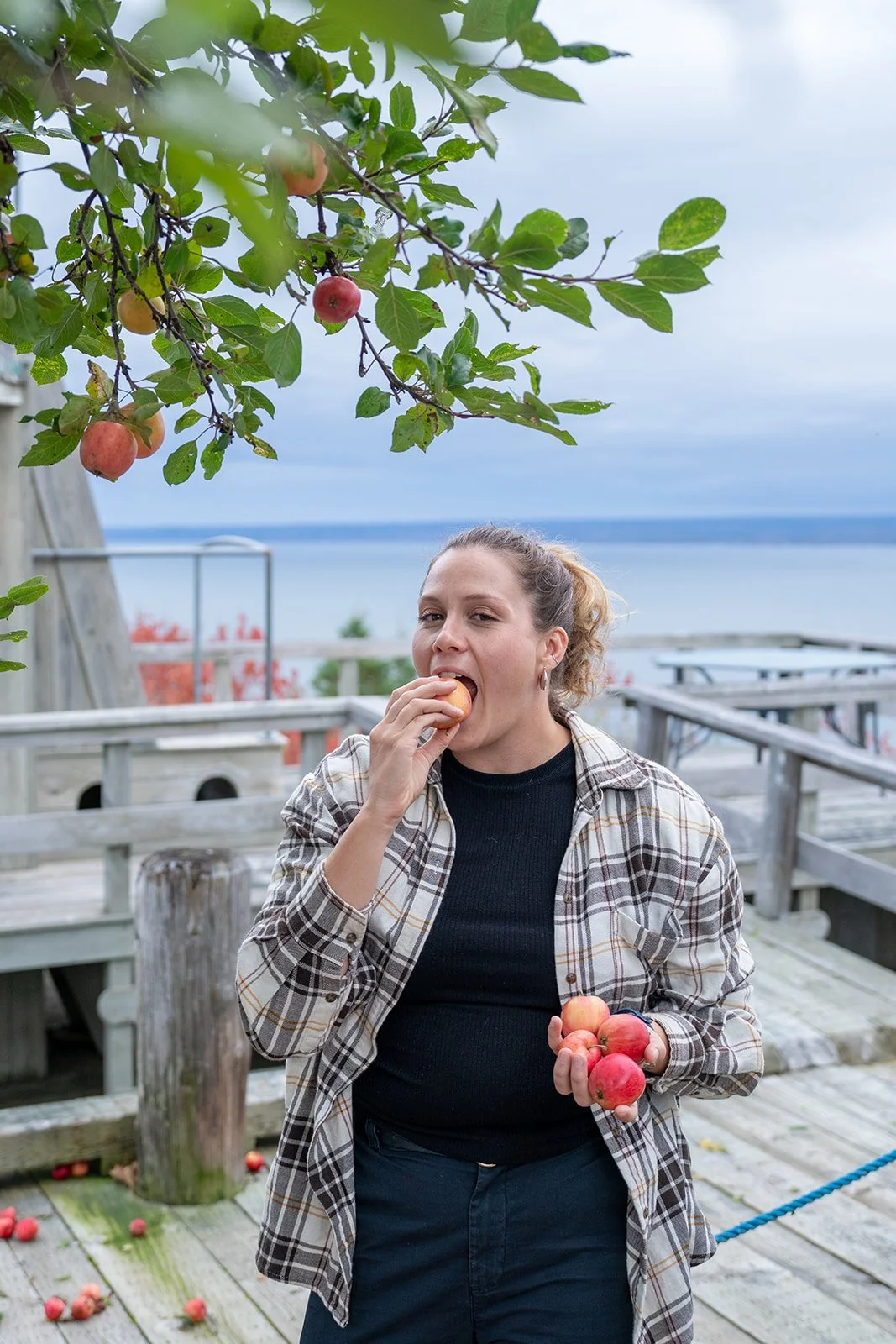
About Carissa
I grew up swimming competitively. Everything was structured — lanes, sets, intervals, split times. You showed up, did the work, and followed the plan.
Fueling felt straightforward. Eat well. Train hard. Repeat.
It wasn’t something I questioned deeply.
Years later, I signed up for my first 10km open-water swim.
Open water is different. There are no walls to push off. No built-in resets every 25 meters. No perfectly controlled environment. It’s just you, the water, the weather, and however your body responds that day.
If your fueling is off, you don’t get to hide from it.
That’s when fueling stopped being theoretical for me.
It wasn’t about eating “clean.” It wasn’t about discipline. It wasn’t about following a perfect plan.
It was about eating enough. Eating consistently. Starting long efforts properly fueled instead of already behind.
I remember watching a video about endurance fueling for open-water swimmers, and the suggestion for intra-fueling was to eat a typical high-fibre energy bar mid-swim.
And I remember thinking — that’s not ideal mid-effort.
Not because energy bars are “bad.” They’re tools. But long endurance efforts require easily digestible carbohydrates, lower fibre, practical formats, and timing that actually matches the physiology of what your body is doing.
That moment stuck with me.
It made me realize how often endurance advice gets simplified in ways that don’t fully match the demands of the effort.
And it clarified something for me:
Fueling isn’t about a single product.
It’s about building a system.
Why I Practice the Way I Do
I’m a Registered Dietitian, and I also come from a background in social work and behaviour change coaching.
That combination matters.
Because most people don’t struggle with fueling due to a lack of information. They struggle because their life is complex.
Training blocks change. Work schedules shift. Travel happens. Stress accumulates. Seasons move. Motivation fluctuates.
You can have the perfect nutrition plan on paper — and still underfuel if it doesn’t match your reality.
My work focuses on building fueling systems that hold up in real conditions — not just ideal ones.
Systems that adapt with:
Training phases
Weather and terrain
Physically demanding work
Recovery cycles
Long days and early starts
I’m currently completing the IOC Diploma in Sports Nutrition, which has deepened my understanding of endurance physiology, energy availability, and performance nutrition at a high level.
But science alone isn’t enough.
What matters is translating that science into strategies that work for recreational athletes, outdoor effort, and people whose bodies are asked to do hard things regularly.
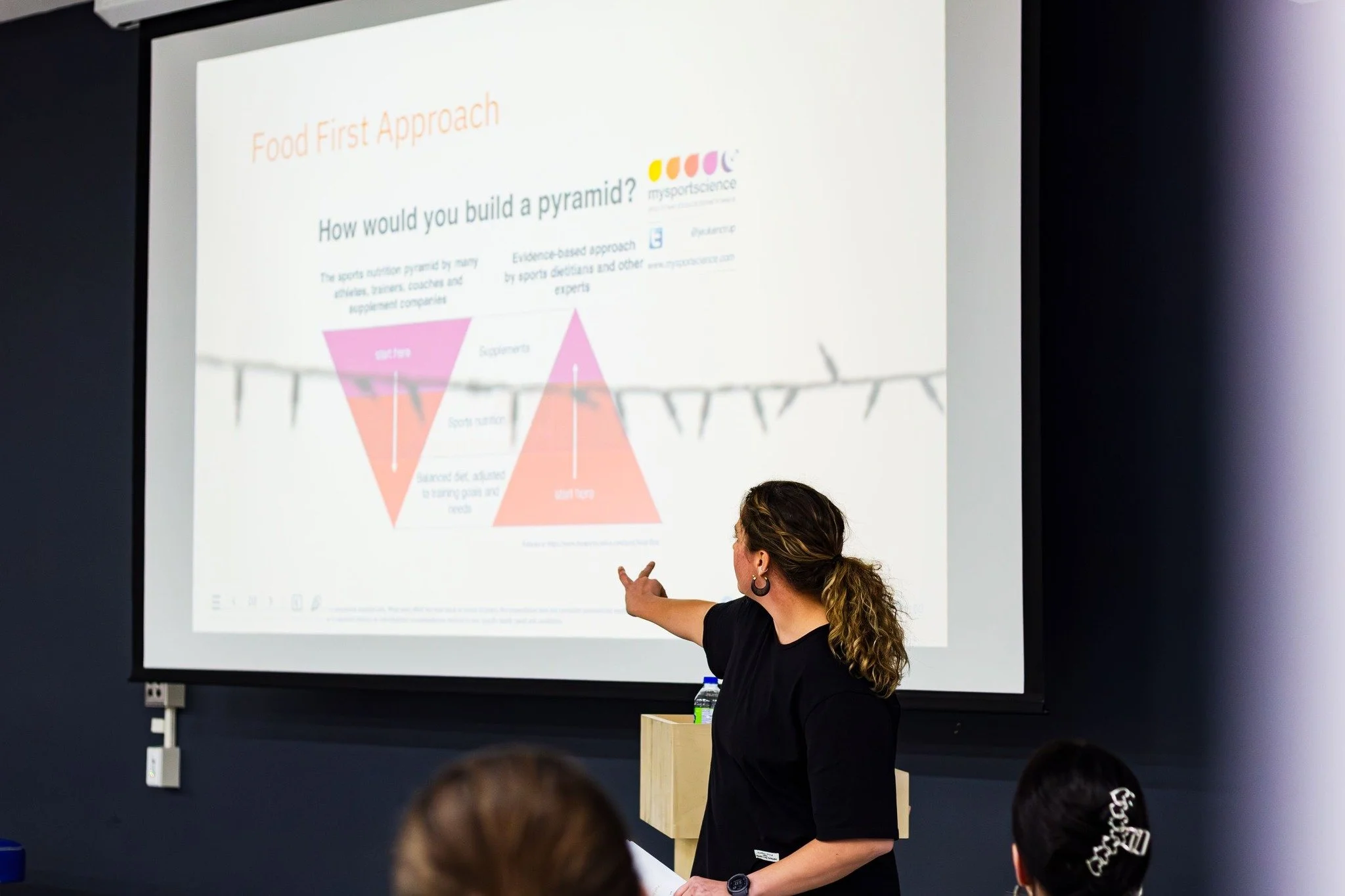
What I Believe About Fuel
Most people don’t have a motivation problem.
They have an energy availability problem.
You can push through low fuel for a while. Most driven people can. But eventually it shows up — in recovery, mood, performance consistency, immune health, or overall capacity.
Fueling isn’t about looking like an athlete.
It’s about supporting the work your body is doing.
You don’t need to be elite to deserve performance-level fueling.
You just need a body that moves and a life that demands energy.
How I Work
When we work together, we don’t just talk about macros.
We look at:
Your training or work demands
Your schedule and food access
Patterns of underfueling
Recovery gaps
Hydration strategies
Practical adjustments that actually fit your week
Fueling isn’t something you perfect once.
It’s something you test in your body, adjust, and refine over time.
Guidelines are a starting point. Your lived experience is the feedback loop.
Who I Work With
I work with:
Recreational and adventure athletes
Trail runners, swimmers, paddlers, and endurance athletes
Physically demanding workers
Active adults who care about performance and recovery
People who are tired of rigid plans that fall apart
If you train for terrain, long days, or physically demanding work — you deserve a fueling strategy that matches that effort.